Undertone vs Overtone: The Scientific Difference Explain

Many people use the terms undertone and overtone interchangeably, but scientifically they are not the same thing.
This confusion is one of the biggest reasons people struggle to choose flattering clothing, makeup shades, or understand why some colours make them glow while others make them look tired.
In colour analysis, understanding the difference between undertone and overtone is essential.
What Is Undertone?
Undertone is the stable colour bias beneath the visible surface of the skin. It is created by the interaction of pigments within the skin and how light passes through the skin layers.
Undertone tends to remain consistent over time.
Scientifically, undertone is influenced by:

1. Melanin
Melanin is the pigment produced in the skin.
Two main forms:
Eumelanin = brown to black pigment
Pheomelanin = red to yellow pigment
These affect not only skin depth, but also warmth or coolness impressions.
2. Haemoglobin
Haemoglobin in the blood beneath the skin can contribute:
rosy tones
pinkness
red-blue casts
cool flushed appearances
Especially visible in fairer or thinner skin.
3. Carotenoids
Yellow-orange pigments stored in the skin:
golden casts
peach warmth
yellow influences
4. Skin Optics
Skin is semi-translucent. Light enters the skin, scatters through tissue, then reflects back carrying pigment information.
This optical process is part of what creates undertone.
In simple terms:
Undertone = internal pigment + skin structure + light reflection
What Is Overtone?

Overtone is the surface colour you visibly see first when looking at the skin.
Unlike undertone, overtone can change easily.
Overtone is influenced by:
sun tanning
redness
inflammation
acne
rosacea
dehydration
fake tan
skincare products
hormones
temperature
lighting conditions
This is why someone can look more golden in summer, pink after exercise, or dull after lack of sleep.
The Key Scientific Difference
Undertone = Stable Internal Bias
Created by deeper biological and optical factors.
Overtone = Temporary Surface Appearance
Created by external conditions and short-term skin changes.
Why This Confuses So Many People

Someone may have:
Warm Overtone + Cool Undertone
Golden-looking skin that actually suits cool colours best.
Pink Overtone + Warm Undertone
Surface redness, but harmonises with warm earthy colours.
Olive Overtone + Neutral Undertone
Green-grey surface cast with balanced temperature.
This is why mirror guessing often fails.
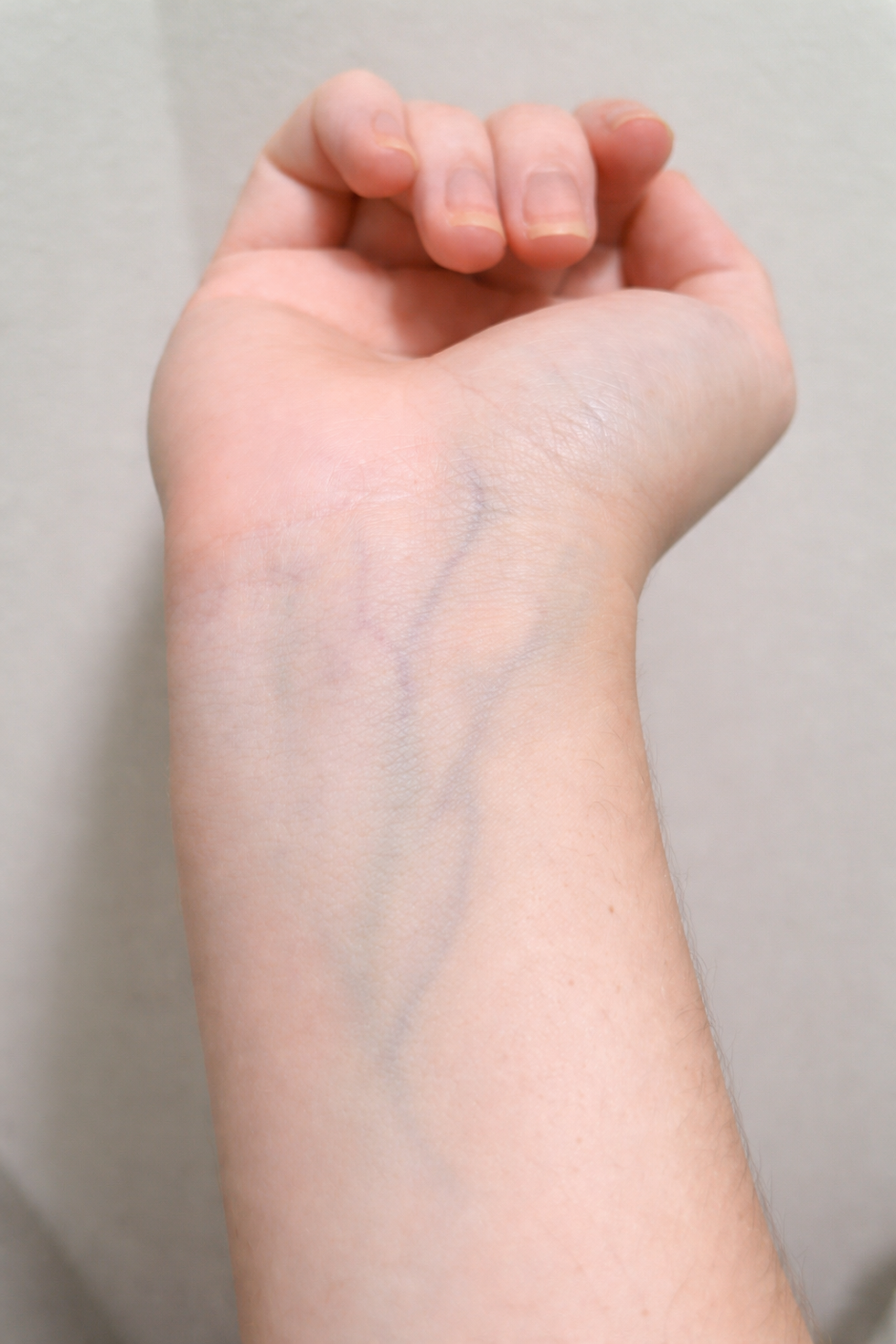
Why Vein Tests and Online Quizzes Are Weak
Many quizzes ask:
Are your veins blue or green?
Do you tan easily?
Do you burn first?
These mostly assess surface conditions, not true undertone.
Vein colour depends on:
skin thickness
vein depth
light scattering
surrounding pigment
lighting environment
So they are unreliable on their own.
Why Colour Draping Works Better
Professional colour analysis uses draping because colour reflects light onto the skin.
When colours align with undertone:
skin appears clearer
eyes brighten
shadows soften
complexion looks smoother
face comes into focus
When colours clash:
sallowness appears
under-eyes darken
redness increases
skin looks dull
This reveals undertone far more accurately than guessing from overtone.

Makeup vs Clothing: Why Both Matter
Foundation Matching
Often matches overtone so it blends seamlessly with the visible surface skin.
Clothing, Hair & Seasonal Palette
Need to harmonise with undertone, plus your depth and intensity.
That’s why your foundation may be perfect while some clothing colours still make you look off.
Final Thought
Overtone is what you see first. Undertone is what creates harmony.
Scientifically, undertone is the result of pigments like melanin, haemoglobin and carotenoids interacting with light through the skin — while overtone is the temporary surface appearance.
Understanding the difference can completely change how you shop, dress and choose colours.

Discover Your True Undertone
Book an in-person colour analysis in Melbourne or virtual worldwide with The Colour Mentor and discover the colours that truly bring you to life.


Comments